"Chest pain since morning." That can't wait until your receptionist finishes with the previous caller.
Cardiology is time-critical in ways most specialties are not. A patient calling with acute symptoms needs immediate triage, not a hold queue. Meanwhile, your chronic patients need strict medication adherence monitoring and follow-up scheduling that doesn't depend on your coordinator's memory. Both need to work perfectly. Every single time.
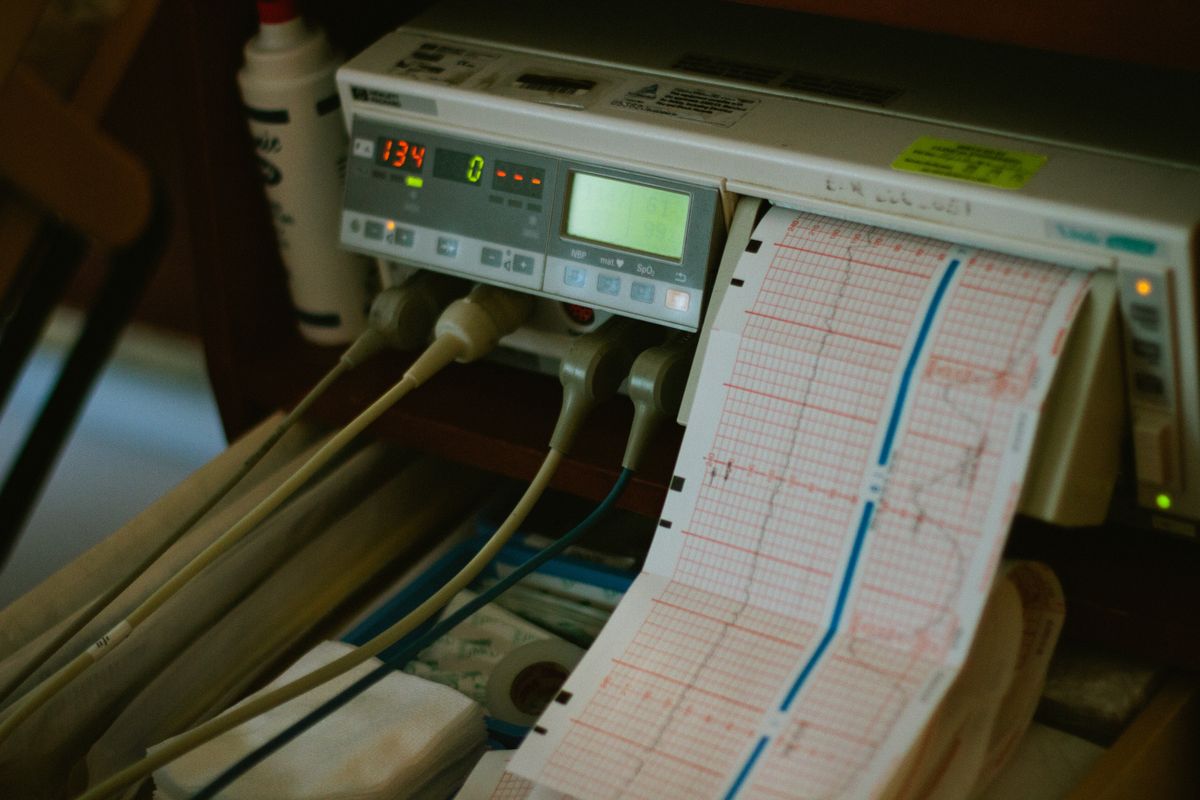
Routine ECG follow-up and acute chest pain. Completely different urgency. Same phone line.
Symptom-based urgent triage
"Chest pain at rest since 2 hours" routes to your emergency protocol immediately. "Need to discuss my stress test results" books into your next available consultation slot. The AI knows the difference.
Cardiac rehab scheduling
Post-MI or post-CABG patients need 12-36 sessions of supervised exercise over 8-12 weeks. Three sessions per week. One missed session doesn't derail the program. Three in a row does. Track it.
Post-procedure pathways
Angioplasty today. Follow-up at 1 week, 1 month, 3 months, 6 months, 12 months. Stress test at 6 months. Echo at 12 months. All scheduled at discharge. Patient sees the full plan upfront.
Medication adherence calls
Post-stent patients on dual antiplatelet therapy. If they stop taking it, the stent occludes. Automated check-ins at 1, 3, 6, 9 months: "Are you still taking both tablets daily?" Catches non-adherence early.
Structured cardiac notes
BP 140/90, HR 78 regular, JVP not raised, no pedal edema, S1S2 normal no murmur. Dictate it. It structures itself into a cardiac-specific template. Not a generic text blob.
Lab and investigation reminders
Lipid profile due in 6 weeks. Echo repeat at 3 months. Holter before next visit. Patient gets the reminder with clear instructions. Lab comes back? Linked to the patient record automatically.
89%
Medication adherence rate at 12 months with automated check-ins vs. 62% with standard care
Cardiac patients need follow-up discipline. Here's how you get it.
Patient had angioplasty 4 months ago. Was supposed to come at month 3 for stress test. Didn't. You find out at month 8 when they present with angina again.
Month-3 reminder sent automatically. No response in 3 days? Second reminder. No response in a week? Coordinator call. Patient comes at month 3.5. Stress test normal. Crisis prevented.
Post-CABG patient needs cardiac rehab. 36 sessions over 12 weeks. They do 8 sessions and stop. Nobody notices for 3 weeks.
Rehab attendance tracked per session. 2 consecutive misses trigger an alert. Coordinator reaches out. "Transport issue? Let's adjust the schedule." Completion rate goes from 45% to 74%.
Patient on warfarin. INR due every 2 weeks. They forget. Show up with INR of 5.1. Bleeding risk. Avoidable.
INR reminder sent 2 days before due date with lab location and timing. "Your blood test is due Thursday. Here's your nearest lab." INR stays in range. Complications drop.
Five patients call about chest pain in one morning. One is a real emergency. Four are anxiety or musculoskeletal. Your receptionist can't tell the difference.
AI asks structured questions: onset, duration, radiation, associated symptoms, exertion relationship. True cardiac concern routes to emergency. Musculoskeletal books routine slot. Appropriate triage every time.
"Our cardiac rehab completion rate was embarrassing. Patients would start strong and fade after week 3. Since Relaya started tracking attendance and sending automated nudges, we went from 45% completion to over 70%. That is lives saved, not just a metric."
Dr. Rajesh Gupta
Sharma Ortho and Cardiac Centre, Mumbai
Questions from cardiologists
How does the AI handle potential cardiac emergencies on the phone?
The AI asks structured screening questions about chest pain: onset, character, radiation, associated symptoms like sweating or breathlessness, and whether it worsens with exertion. Based on responses, it either routes to your emergency protocol (with instructions to the patient to call emergency services if needed) or books an urgent same-day slot. You configure the thresholds.
Can the system track complex medication regimens like dual antiplatelet therapy?
Yes. You set medication protocols per patient or per procedure type. Post-stent patients get automated adherence check-ins at intervals you define. The system asks simple questions ("Are you taking both your heart medications daily?") and flags non-adherent patients for your attention. It does not give medical advice; it triages adherence concerns to you.
We do procedures at the hospital but consultations at the clinic. Does Relaya handle that?
Absolutely. The system manages separate locations with different scheduling rules. Clinic consultations have standard slots; hospital procedures have OT-block scheduling with pre-op and post-op visits linked appropriately. One patient pathway, two locations, zero confusion for the patient.
One missed cardiac follow-up can mean re-admission. Prevent it for ₹1,999/month.
Free practice management forever. Voice AI pays for itself with one prevented re-admission.