"I fell yesterday, my knee is swollen." That shouldn't book into a routine slot.
Ortho practices get two types of calls. Acute injuries. fractures, sprains, post-accident. And chronic follow-ups. knee replacement reviews, physio progress, implant checks. Your receptionist treats them the same. A potential fracture getting a slot three days out is a patient going to the ER instead. And you lose them.
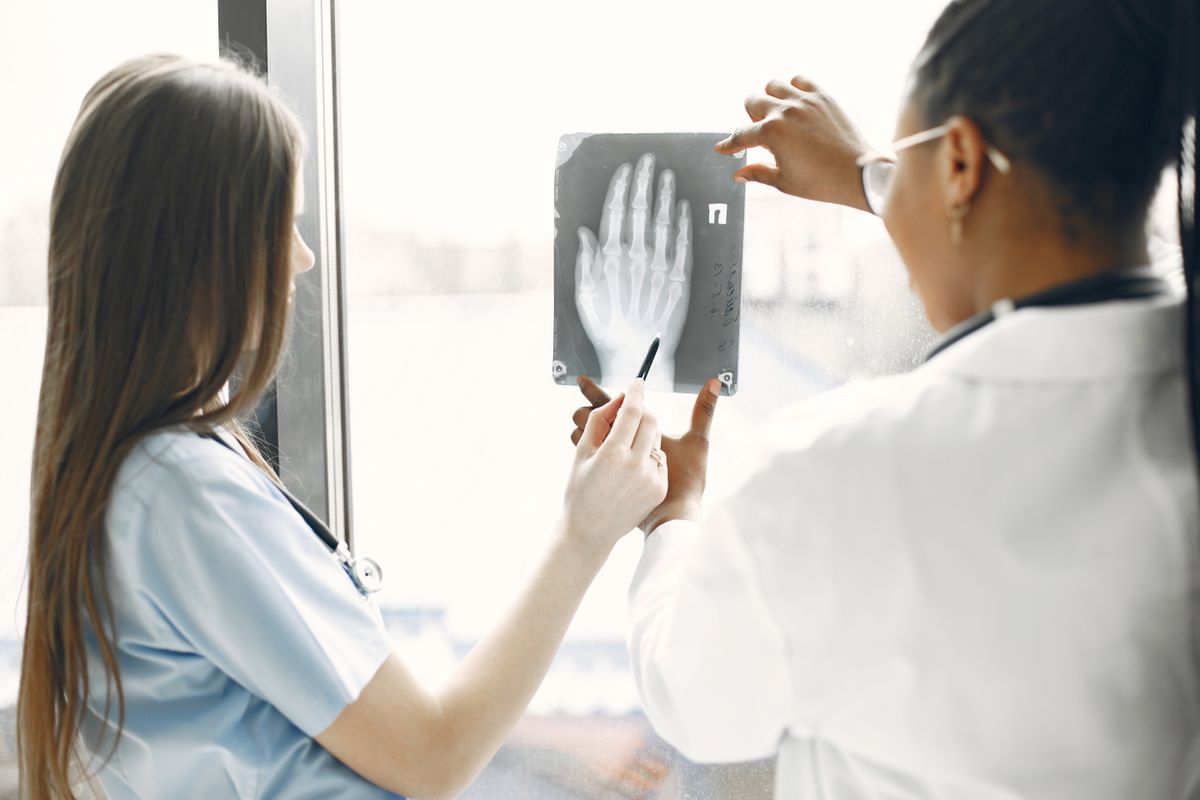
Fracture today, knee replacement next month, physio for 12 weeks. All different.
Acute vs. chronic, sorted instantly
"Fell two hours ago, can't put weight on my ankle" gets a same-day slot. "My knee replacement was 6 months ago, routine check" gets next available. No human judgment needed.
Post-accident calls handled right
Patient calls after a road accident. AI asks: Can you move it? Is there visible deformity? Swelling? Routes to urgent if needed, collects X-ray status, and preps you for what's coming.
Surgical pathway, one workflow
TKR patient: pre-op fitness → anesthesia clearance → surgery date → day 1 physio → week 2 suture removal → month 1 check → month 3 check. All booked in one go.
Physiotherapy coordination
12 weeks of PT. Three times a week. Patient misses 4 sessions in week 3. System flags it. because inconsistent physio after ACL repair means a bad outcome and that reflects on you.
Imaging + notes linked together
"X-ray shows undisplaced fracture lateral malleolus, below-knee cast applied, review in 6 weeks with repeat X-ray." Dictate it. It goes to the right place with the right follow-up date.
Implant follow-up tracking
Joint replacement patients need yearly check-ups for life. Most stop coming after year 2. Automated annual recalls catch the ones who forget, before a loosening becomes revision surgery.

78%
Post-surgical physiotherapy adherence with automated tracking vs. 55% with manual follow-up
Acute injuries don't wait. Neither should your booking.
Patient with a suspected fracture calls Monday. Gets an appointment for Thursday. Goes to the ER instead. You never see them again.
AI identifies acute injury language, offers same-day slot. Patient seen within 4 hours. X-ray done. Cast applied. They're your patient for the full recovery.
TKR patient needs 8 appointments over 6 months. Your coordinator books 2 at a time. Patient misses the 3rd. Coordinator forgets to reschedule.
Full surgical pathway booked at once. Patient sees every date upfront. Missed appointment → immediate reschedule attempt. Nothing slips.
Post-op physio adherence is 55%. Patients do 4 sessions and quit. Recovery suffers. You get blamed.
PT attendance tracked automatically. Drop-off after session 4 → call from coordinator. "How's the knee? Shall we adjust the schedule?" Adherence climbs to 78%.
Knee replacement patient hasn't been seen in 3 years. Shows up with implant loosening. "Nobody told me to come back."
Annual recall automated. Year 1, 2, 3, 5, 10. Patients who don't respond get flagged. Your revision rate drops because you catch problems early.
"We do 12 joint replacements a month. The post-surgical follow-up coordination was a full-time job for my coordinator. Now the system books the entire pathway at surgery time and tracks every patient automatically. Physiotherapy adherence went from 55% to nearly 80%. That is fewer revision surgeries and better outcomes."
Dr. Vikram Sharma
Sharma Ortho Centre, Jaipur
Questions from orthopedic surgeons
How does the AI differentiate between acute injuries and routine follow-ups?
The AI asks about onset timing, mechanism of injury, weight-bearing ability, and visible deformity. "Fell 2 hours ago, cannot put weight on it, ankle is swollen" gets a same-day urgent slot. "Knee replacement was 6 months ago, routine check" gets the next available regular appointment. You configure the threshold for what counts as urgent.
Can the system coordinate between my clinic and the hospital where I operate?
Yes. The system manages separate scheduling for clinic consultations and surgical slots. Pre-op assessments are booked at the clinic, surgery dates respect your OT block allocation, and all post-op follow-ups return to the clinic schedule. One patient pathway across two locations.
How does physiotherapy tracking work in practice?
When you prescribe PT sessions (for example, 12 sessions over 6 weeks), the system tracks attendance. If a patient misses 2 consecutive sessions, your coordinator gets an alert. The patient gets a message: "We noticed you missed your last physio session. Your recovery depends on consistency. Shall we adjust the schedule?" This catches drop-off before it affects outcomes.
Every fracture patient you lose to the ER is ₹15,000 in follow-up revenue gone.
Free practice management forever. Voice AI from ₹1,999/month.